Art’s Mesmerizing Pull: Mythic Methods with Storm Ritter

WA spoke with the bewitching artist, designer, and entrepreneur on her introspective on retrospective mantra, her enigmatic era, and the complimentary contradictions that fuel her clarity.
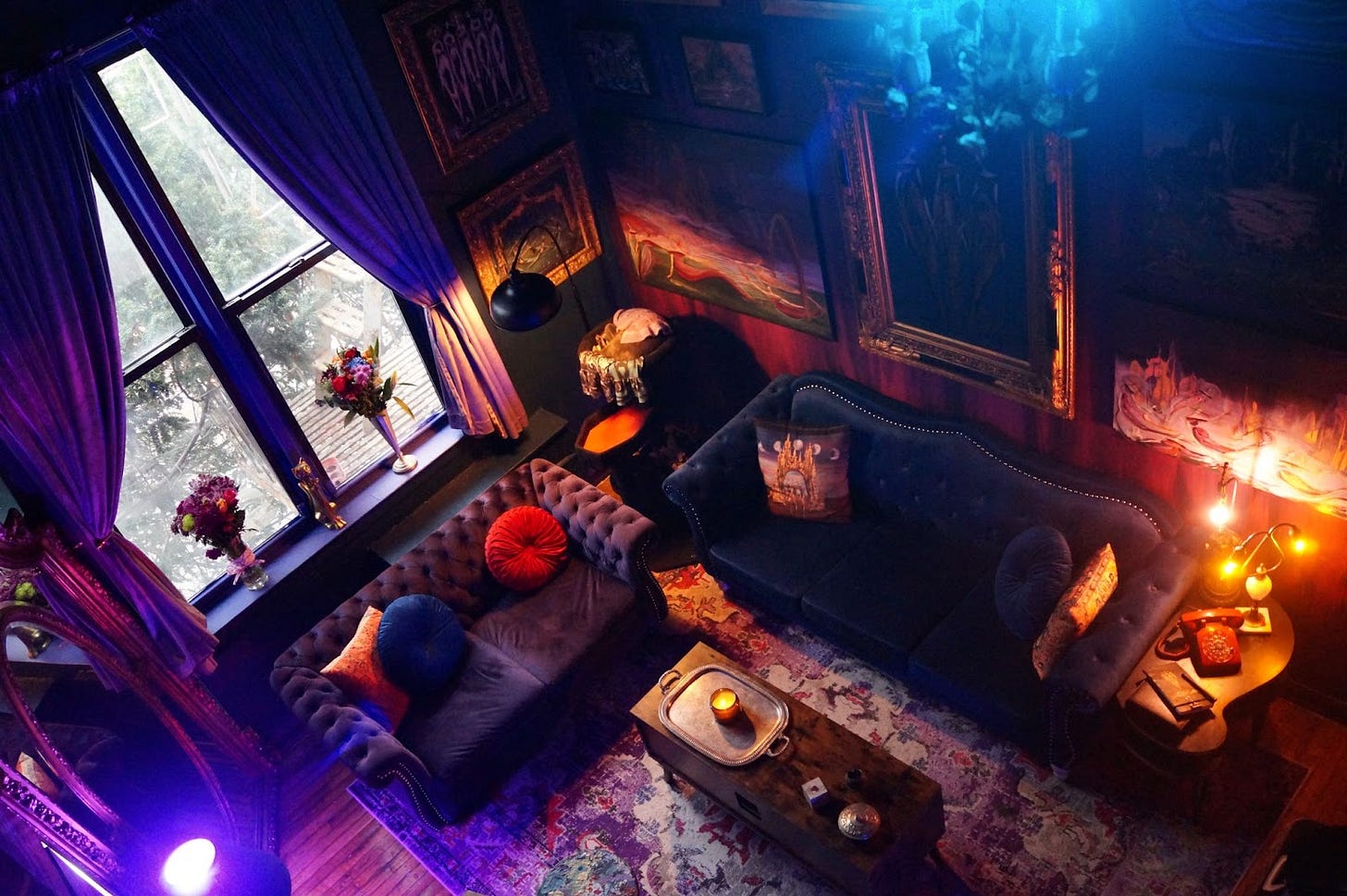
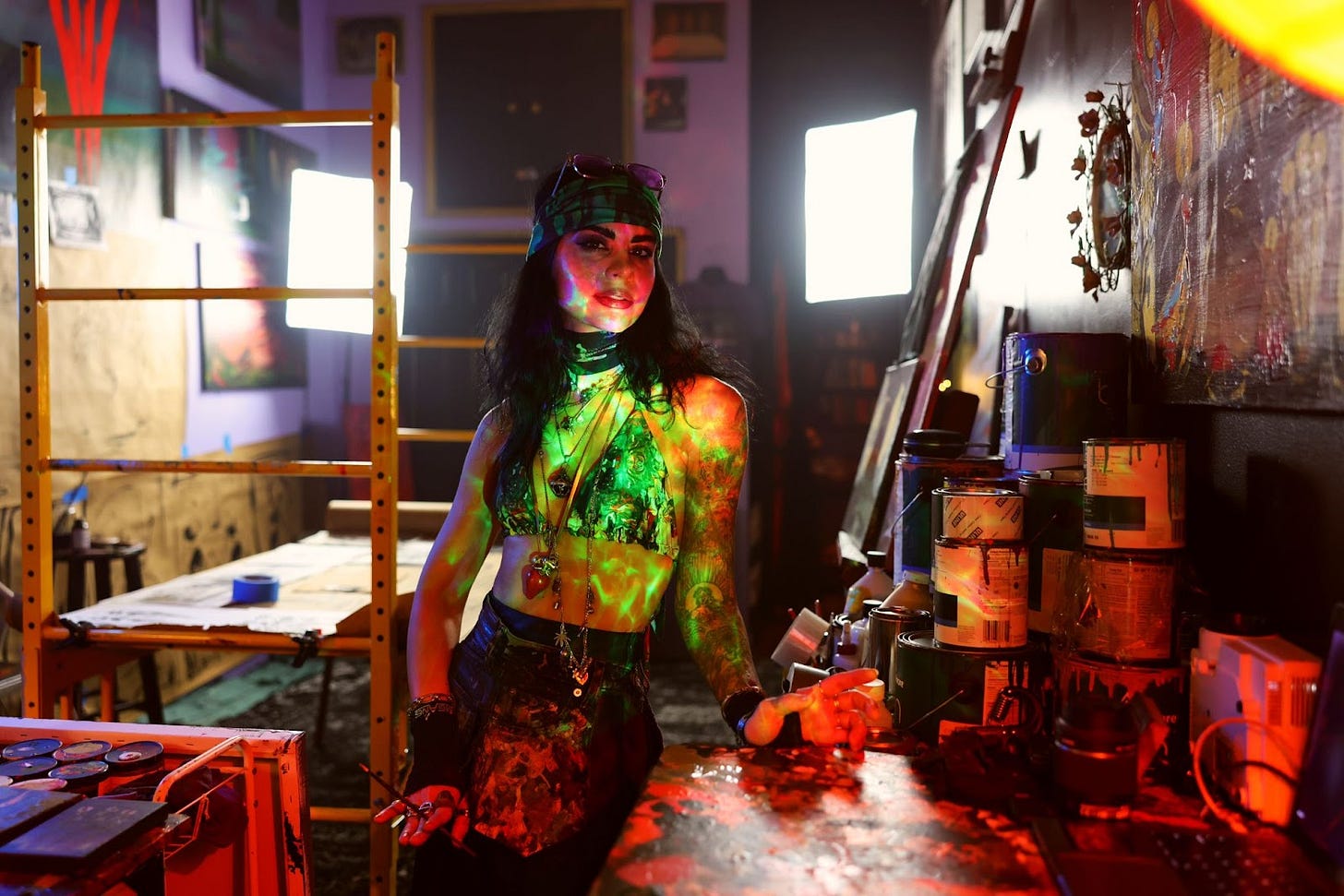
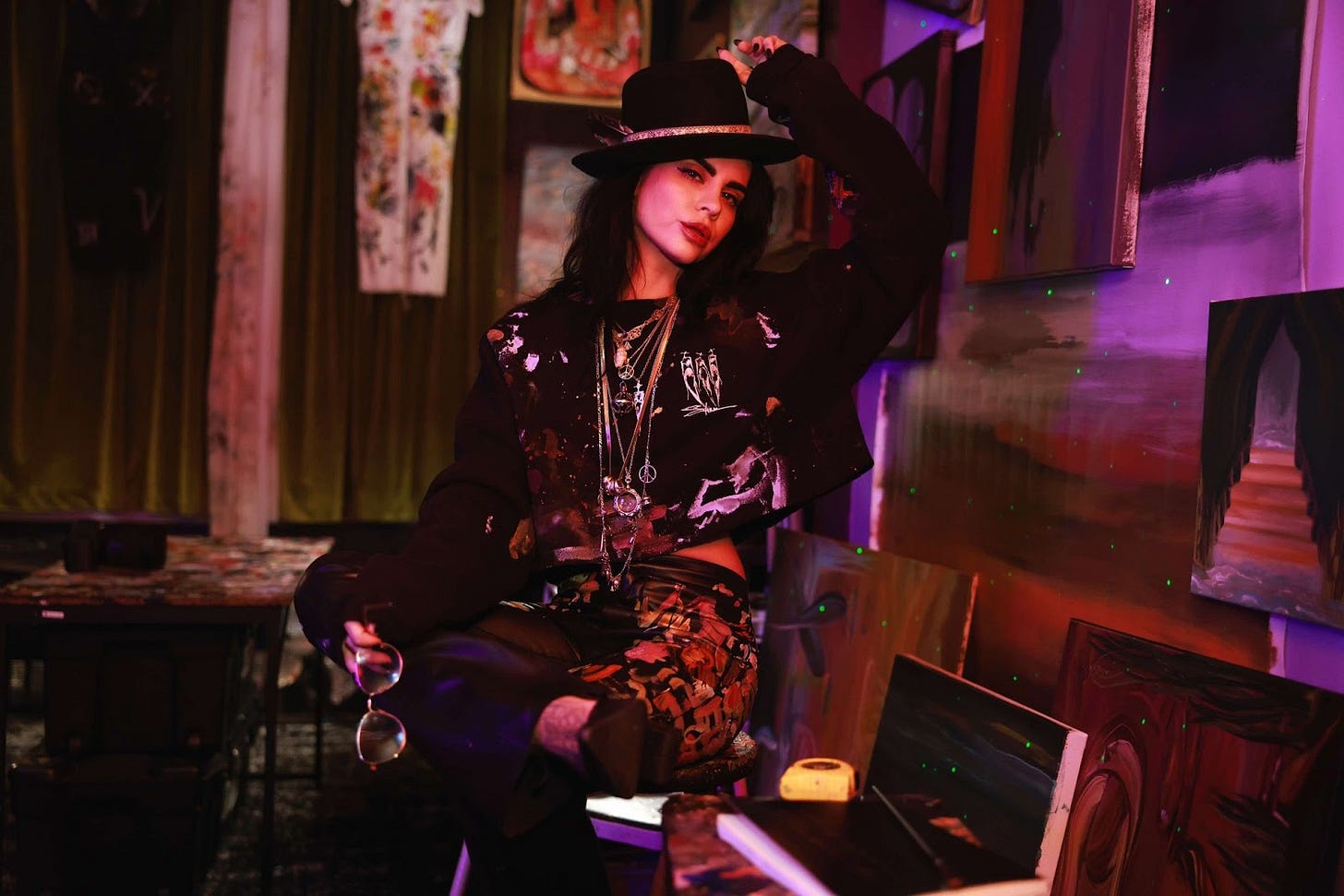
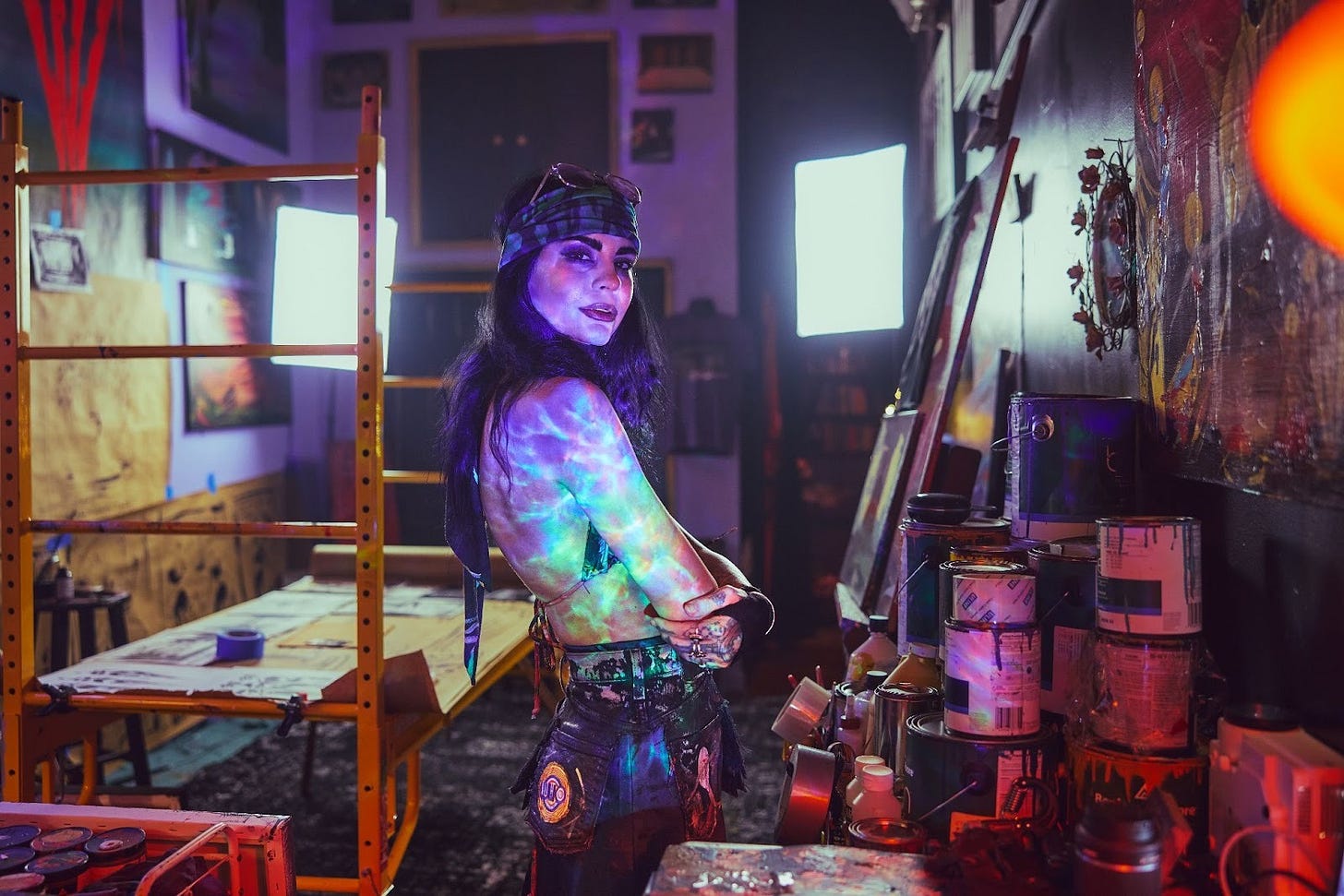
Storm Ritter’s surrealist visual language bleeds from her paintings and design collections into the aesthetic of her home studio. Her East Village residence includes a salon-style gallery, lounge space, and production studio: all amply occupied by her fine art, antique collectibles, and Velvet, her stylishly-dressed studio cat.
Storm holds the allure of a true New York artist, and most of all, someone who seems to just make it happen. It’s apparent that it’s not only her artistic talent that enables her to succeed as a working artist, but work ethic and strategic persistence. And Storm is kind. Storm is the type of person who welcomes strangers into her apartment, gives them a tour, buys them pizza, and lets them hang out in the living room after an interview to talk about the world, life, and their favorite movies. Matthew Kaplan, Sophie Sorensen-Wald, and I, Elizabeth Meyer, joined Storm and photographer Joseph Dalton for an afternoon in her world. There we discussed the ways in which Storm balances contradictions in her identity, as well as her work’s iconography and her philosophy of “working backwards.”
ELIZABETH: It’s wonderful to finally meet you, Storm! I would love for you to tell me in your own words who you are both as a person and an artist. I know that’s a very big question.
STORM: Before I split the difference: professionally I’m a fine artist, designer, and entrepreneur in Manhattan. I’m positively possessed by my cycle of ambition, dedication, and passion. To keep my momentum revolving and evolving, I pioneer my artistic purpose as a livelihood.
In the past decade, I’ve opened retail storefronts, solo exhibitions, private art studios, pop-up events, and online commerce—all art production and sales platforms for my paintings, murals, apparel, and branded merchandise. I’m an artist with soulful intentions, but also a business owner with strategic sales savvy. Call me a clever croupier, as I’m constantly rigging my roulette of responsibilities to succeed.

As a person, I’m a dedicated daughter, cat mother and friend. If you’re keen on tarot, I’m a trifecta of the deep thinking Hermit, type-A High Priestess, and fantastical Fool. Inherently, I’m a complimentary contradiction.
Contrary to my gregarious vibe—I’m intrinsically introverted, in an immaterial way, and thanks to my Cancer Moon, there’s a vibrancy and empathic sensitivity I protect, re-charge and share appropriately. My solace in solitude is whimsically structured around pastimes that elevate my spirituality and intelligence, but I’m not bumptious about that.
By no means am I monastic! My Aquarian individualism gifts me a natural authority and an altruistic mindset. Paired with my Rising Leo, I’m an extroverted people-person, confident in my personal style and my loquacious Chatty Cathy tendencies. Kudos to my inner child for keeping my louche relatability and ego in check. Honestly, she’s why I remain eccentrically campy.

As an artist, I’m a surrealist, ambidextrous painter and multidisciplinary designer—all supported by my creative direction, writing, theatrical background and event planning expertise. Painting is my form of mysticism, specifically process itself and how I curate my inspirations. My internal monologue leads a non-stop, nostalgic symposium on era music, period pop culture, and philosophical discourse.
As an entrepreneur, I innovate as a creative and keep a multi-perspective ability in my arsenal to rotate my skillsets and opposing opinions—like saying “we” instead of “I” or personifying my job roles and internal functionalities. Most days I cordially treat my left and right brain as fraternal twins, but I always spoil my soul like an only child. Truly, my soul is the flagship enterprise of my artist identity.
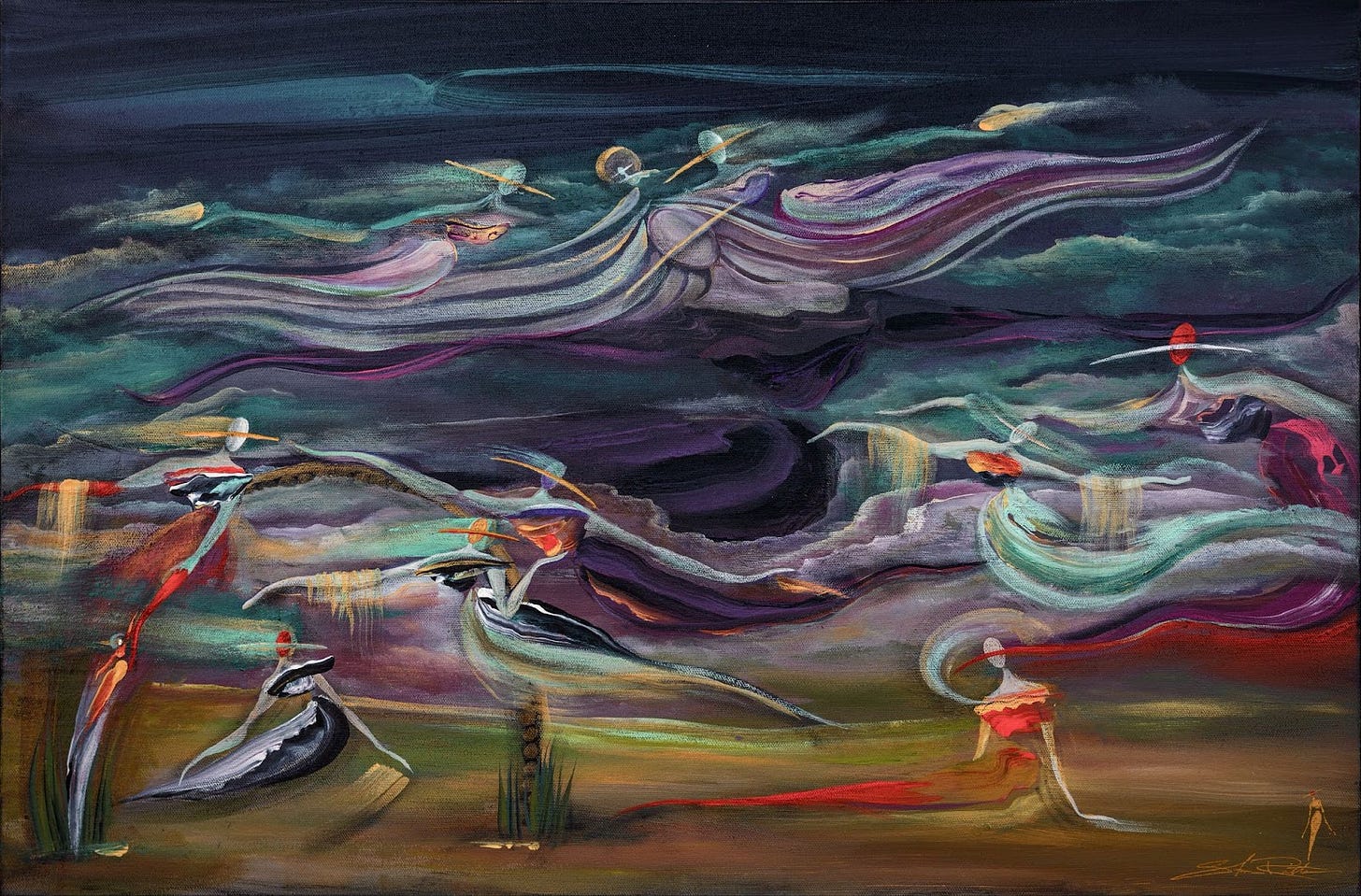
ELIZABETH: I would love to know what it is for you—maybe it's an itch, maybe it's just a natural thing—but what really drew you to start creating and what pushes you to continue doing it?
STORM: Art has a mesmerizing pull, like animal magnetism. This itch you pitch, prickled in the womb. My childhood first loves were the performing arts: I was instinctively drawn to classical music and theatre. The escapist enchantment of all-consuming scores led me to intensely feel and see, bringing me spiritually home.
Around age eight, my images and colors that represented numbers and music notes became a hindrance in school. That led me to build my own problem-solving methods, foreshadowing my current process. This mental overlap wasn’t just dyscalculia—dyslexia with numbers—but a contribution to the synesthesia experiences that I utilize today.
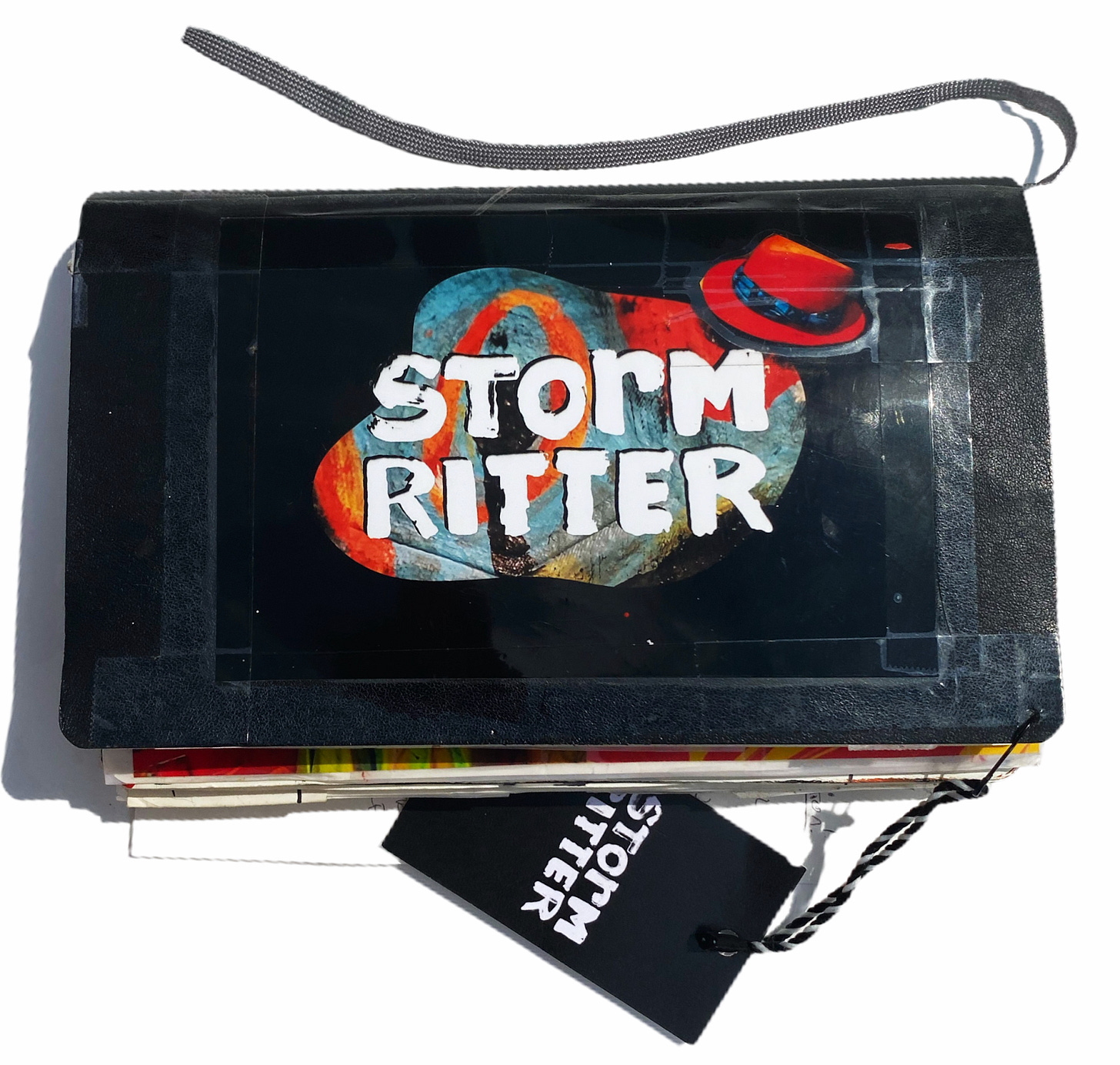
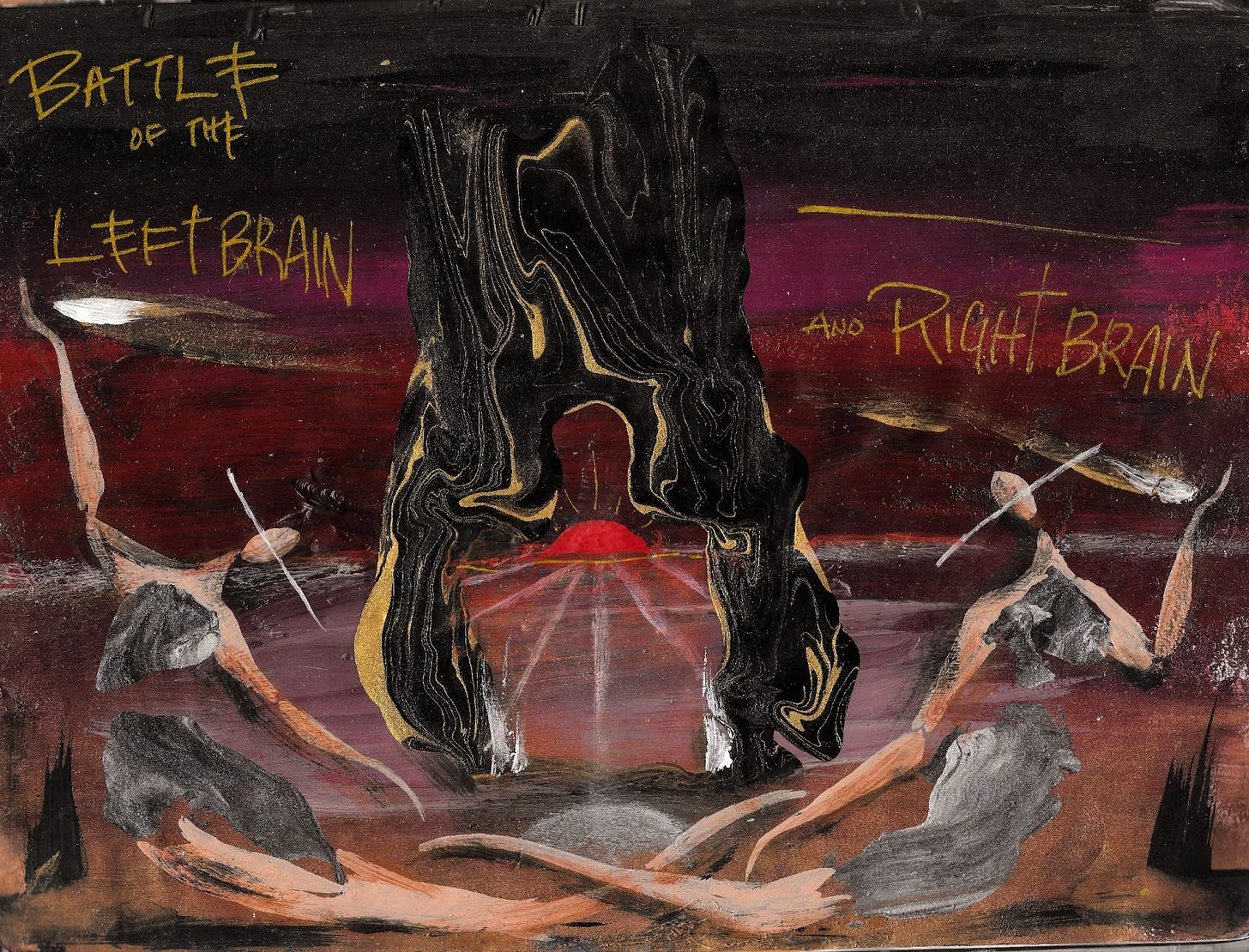
And over twenty years ago, I began filling sketchbook pages with my passions. I assumed if I didn't archive, I’d forget, or others won’t know or remember. Now, my sketchbooks are personal encyclopedias of memories, used for creative reflection, invention and reinvention. I paint to keep myself and my past alive, but most importantly, my lifelong nostalgia for the eras that came prior to my birth.
Even the cruel threat of mental aging, like dementia, empowers me to pursue archiving. Like my childhood concern, it’s possible that I’ll forget about my divine creative happiness. Knock on wood, if there was a fire in my studio, I’d scoop up Velvet and as many of my sketchbooks as I could carry.
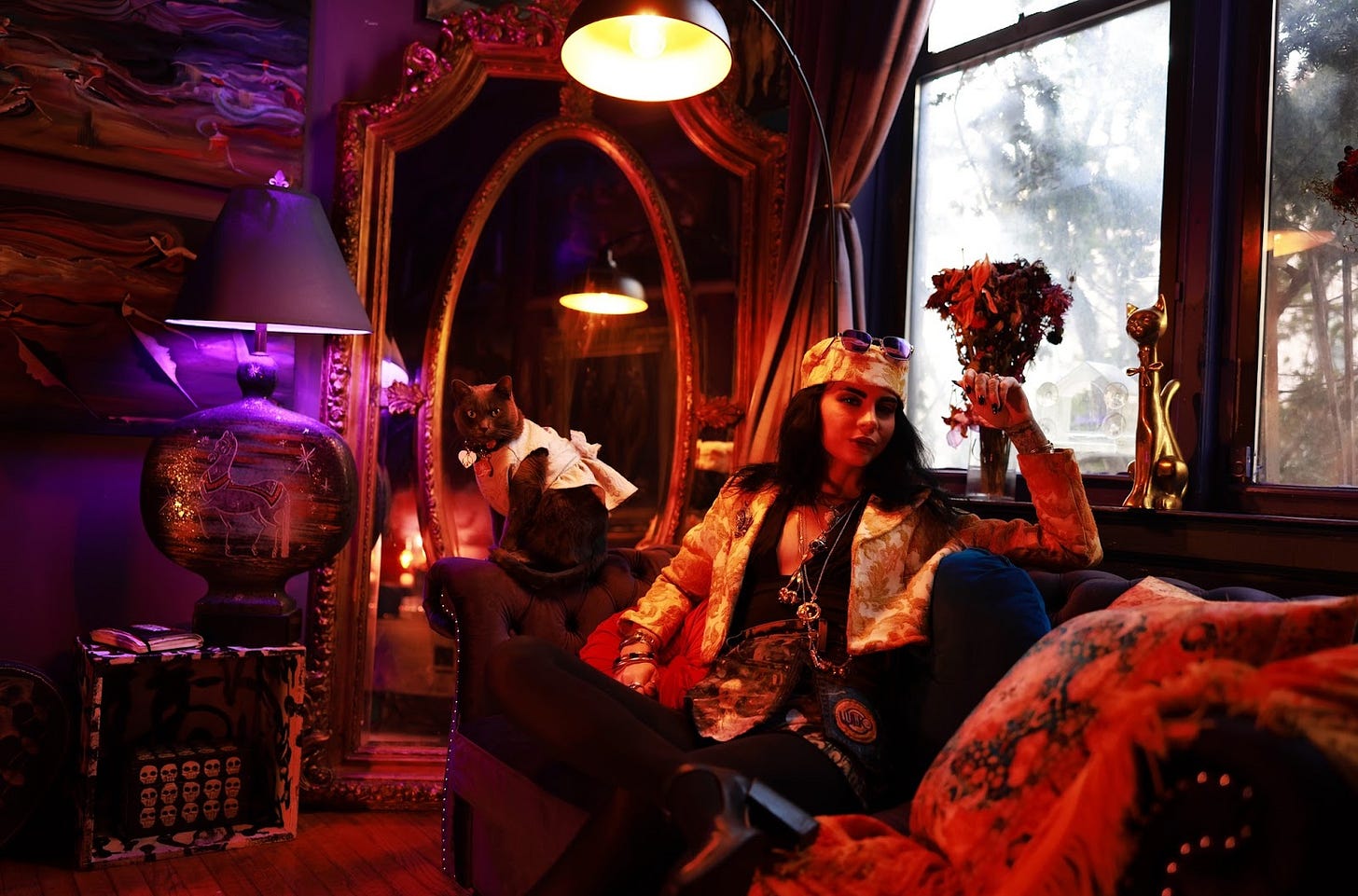
ELIZABETH: What are you working on right now? Do you have a project or focus so far this year?
STORM: Clarity—not prioritizing how hard I work, but how deeply I work. After my last solo exhibition, I repainted my mausoleum of a studio and took a social media hiatus. Like clockwork, every six months or so, I pitch another goal, so I’m in-production for my next crescendo.
Introspective on retrospective is my present mantra. I use a third-person perspective to revitalize my branding and portfolio as I’m developing a solo exhibition and publishing project for this year. I take my artistry rather seriously, but I also perpetually work on not taking myself as seriously. Introspective on my past glitterati simultaneously grounds my ambitious perspectives and elevates my empathic actions.
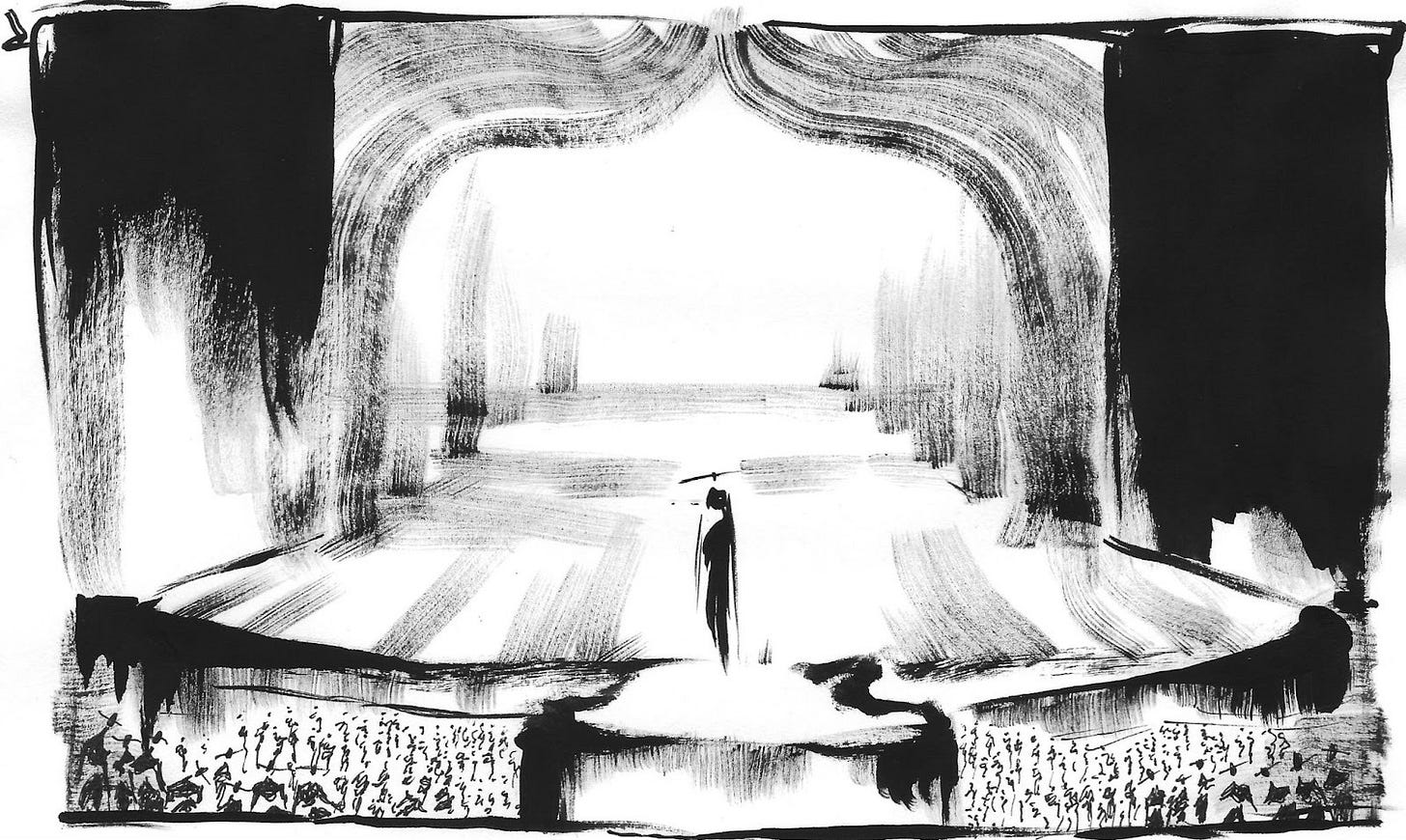
I’m back in training; as an artist, as I’m indeed an athlete. So as both coach and trainee, I’m running drills in monochromatic painting, literary research, analytical writing, and music sourcing to curate my theme. Life sometimes feels like a tragic opera, so I’m cueing new music to bask in my commedia dell’arte.
With my reclaimed love for theatrical production and philosophy, I’m on a different path with my process. Our human experience is often parallel to theatre. Both are in flux, unfolding planned or unplanned stories, where mistakes don’t have a reset. I do know those mishaps to be most meaningful. Thematically, that’s what I’m focused on right now with painting.
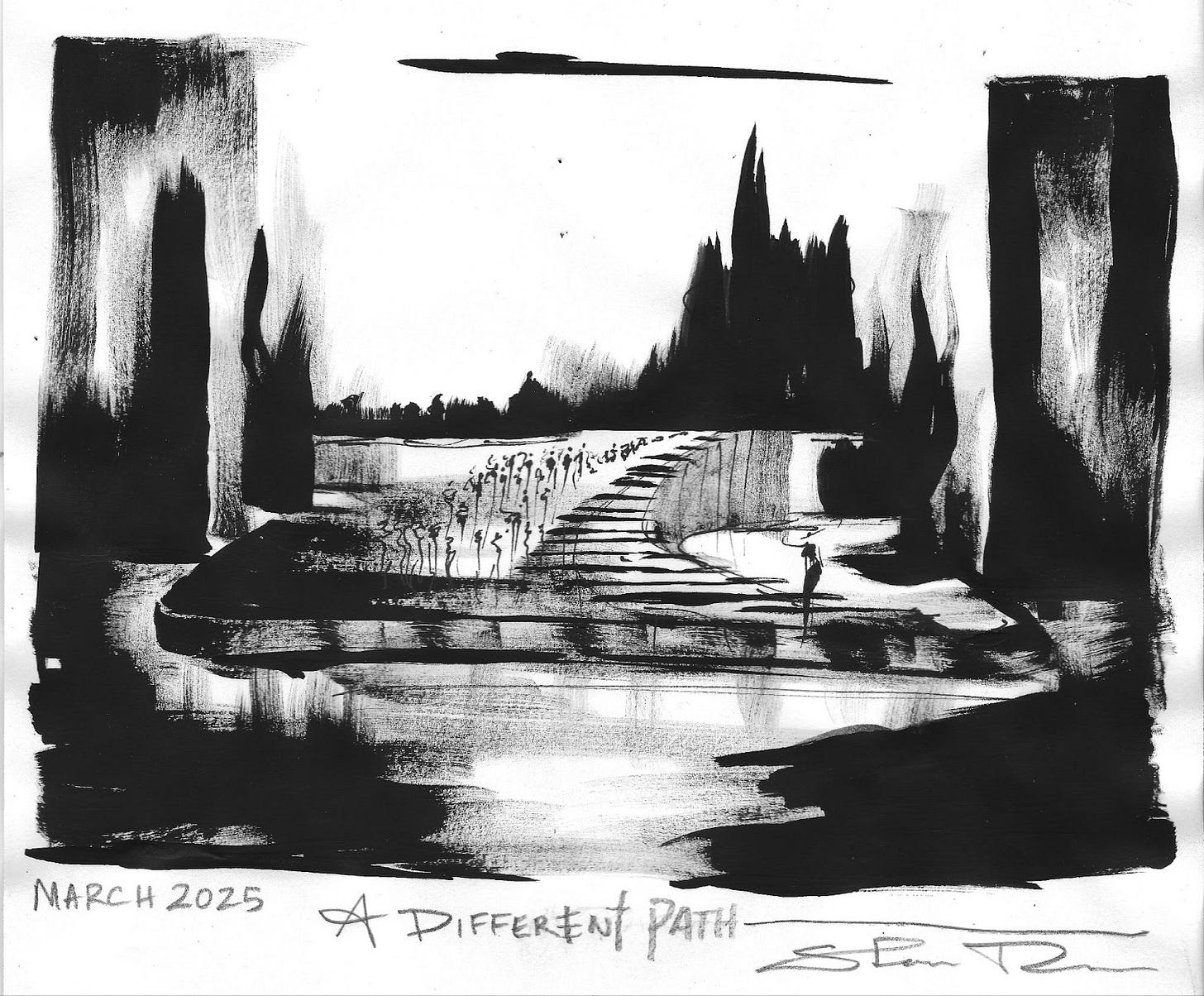
ELIZABETH: I began writing to process the world around me, and writing is now both the thing I put out into the world, and it is also me in the world. I know that every artist has a very different relationship with art. Some people really relate to that, some people are like “no, it's not like that at all.” What is it for you?
STORM: It’s all about my process, not the product. My relationship with art is truly the memory of creation. Painting is my cathartic conjuring, but process is the meat of my mysticism. When purchased art takes on a new timeline, a sliver of myself lives within, for others to enjoy. I’ve sold thousands of pieces, and now have no clue of their current coordinates, but I know they no longer belong to me.
Yet I solely own my process. It’s the mystery people are attracted to—an unseen substance—but can’t point out or buy. I believe process makes an artist more valuable than the art. The kick is experiencing enjoyment with endurance; good process includes a lesson learned.
I create art to fulfill my cup first, with hopes it fills up another’s. If in reverse, that cup’s full of Prosecco masquerading as champagne. I’m an artist to become my greatest masterpiece. Not for ego, but to encourage others to pursue their unique magic too. I trust time to give me enough years.
ELIZABETH: What do you mean by trusting time? Is that concept a contributing factor in your creative process?
STORM: The concept of Time has always been a concern—its generous and cruel nature drives me. I feel like I am running out of time, all the time. It’s a commodity that keeps me on my toes; though, my competitiveness calls me to beat the clock. I trust Father Time enough to play within his constructs. He seems to love extremes, conducting in rapid staccato or melodic adagio. Mastering the art of timing is not learned, but intuitively felt, so I paint to find my harmony within his spectrum of tempos. Still, I incorrigibly test time, choosing procrastination on projects, well aware constraints enhance my art.
For over ten years, I’ve cherished the palindrome, Emit Time. When I was first honing my ambidextrous abilities, I repeatedly painted those words, assuming my two-handed double duty would make, or emit, extra time. Despite my speed, more work in less time wasn’t a victory or gimmick, but a technique that enabled me to siphon parts of myself, channel my environment, and feel time in slower motion.
My right and left brain house an impulsive creator and clerical executor. They chase and calm chaos with my decisions, often overwhelming me. I’m wired to envision and build, but when my wires crossed, I didn't know how to avoid a short circuit. Ambidextrous painting conjured up that accord for the right and left brain, discipling them to simultaneously work in tandem, using my hands to unify their yin and yang.
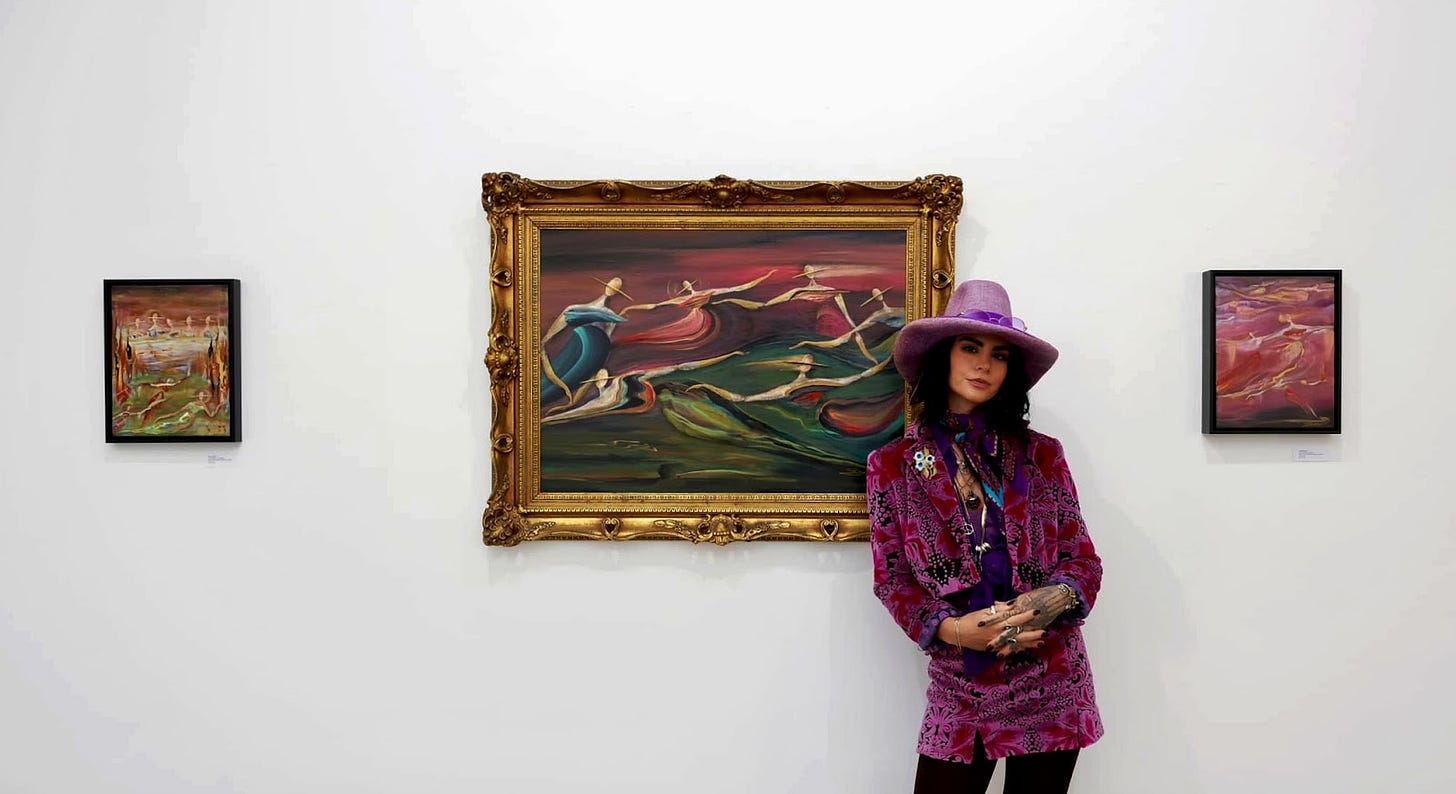
ELIZABETH: As I look at these paintings over your head with The Cool People, could you give me the Storm Ritter abridged history of these figures that feature in so much of your work? Who are The Cool People?
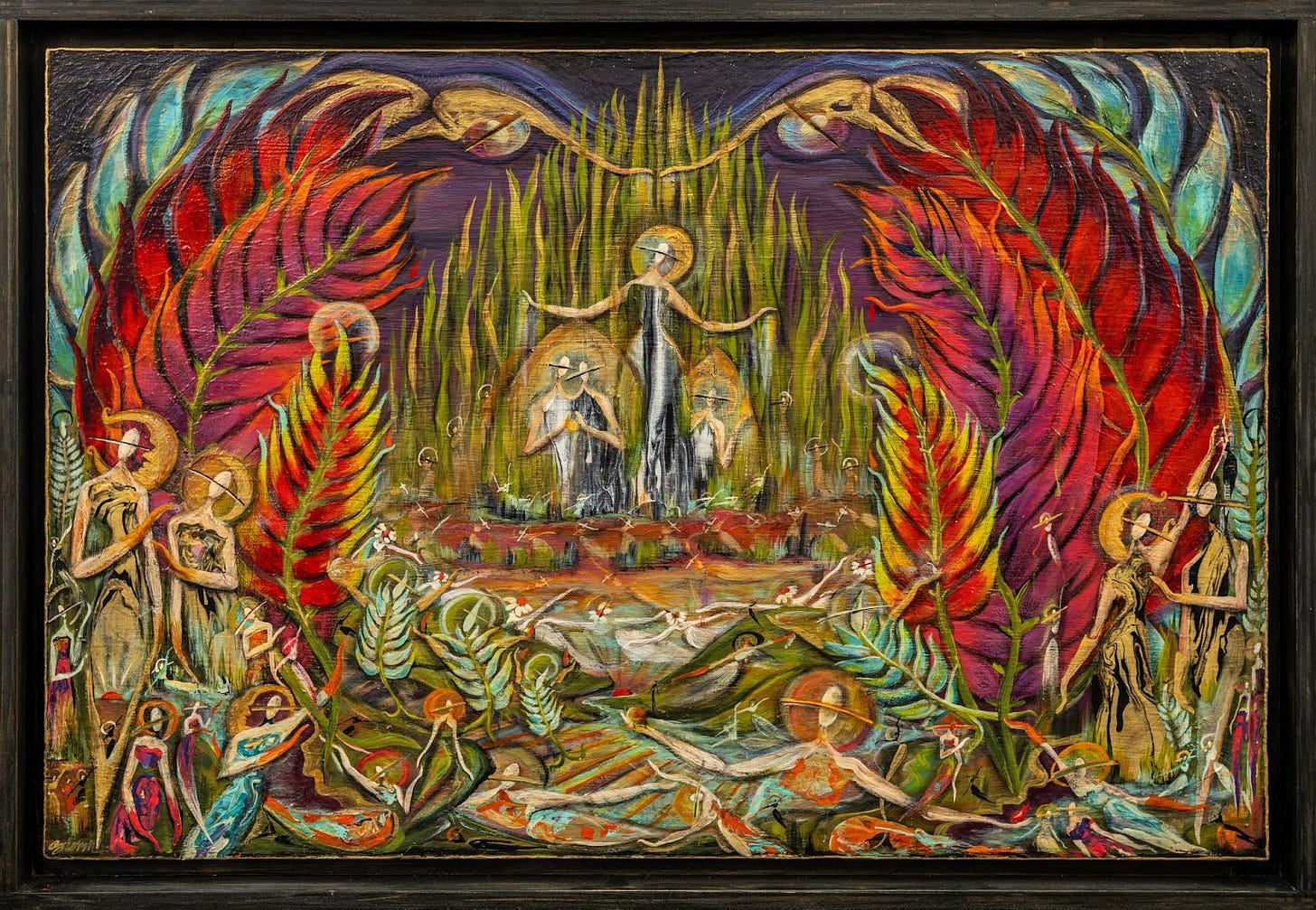
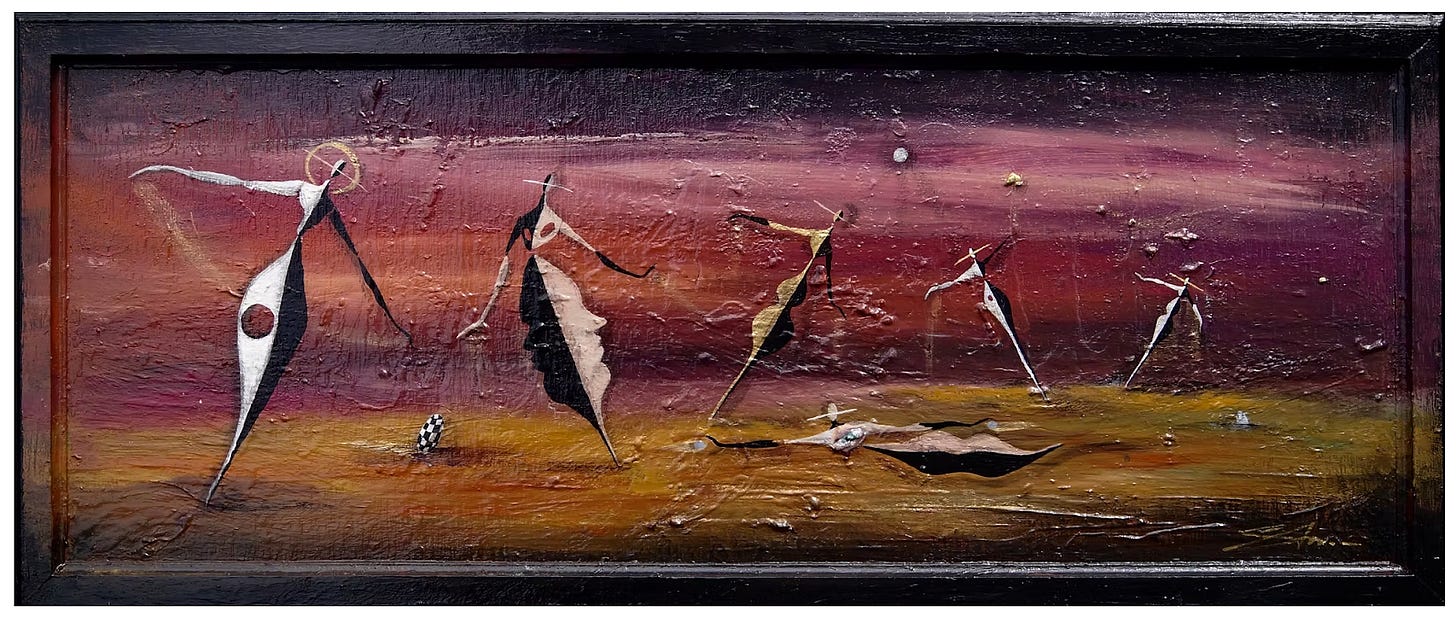
STORM: The Cool People are my iconography, surrealist storytellers and ethereal friends. They are the spirits in your head and around you. And just like us, not one is the same. Their silhouettes are unpredictable in nature, and they are who you want them to be.
My otherworldly figures were the first visuals that were organically produced from my ambidextrous painting. Clients called them cool, so that naturally became their name. They are identifiable by their divine head lines—or hats as some say—and their common, sporadic emptiness within their forms, alluding to the feeling we all share of lacking fulfillment. I had an inkling that these figures were special then, and they have proven to influence my collections, philanthropic projects, and the retrospective reflection that perpetually informs my work.
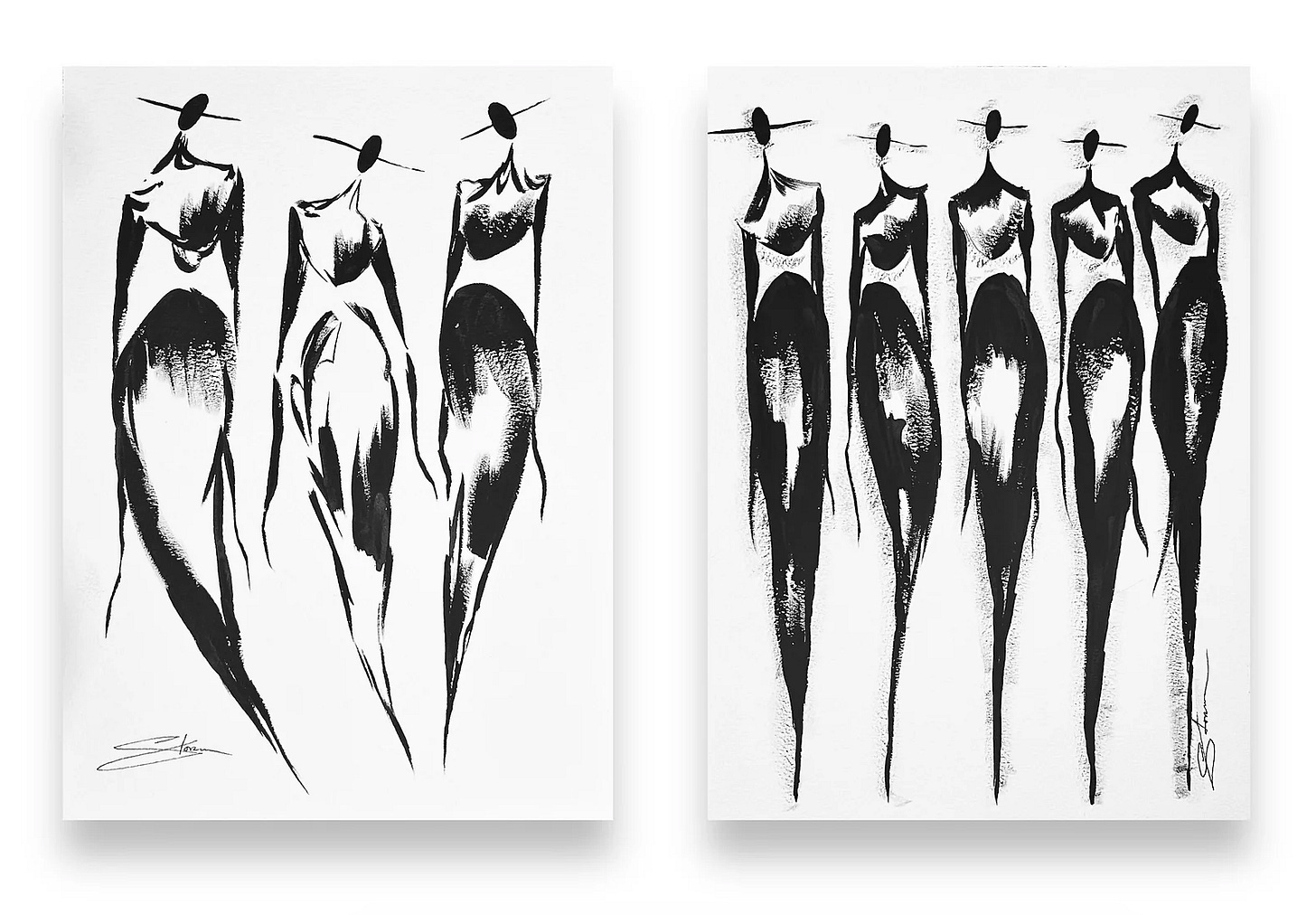
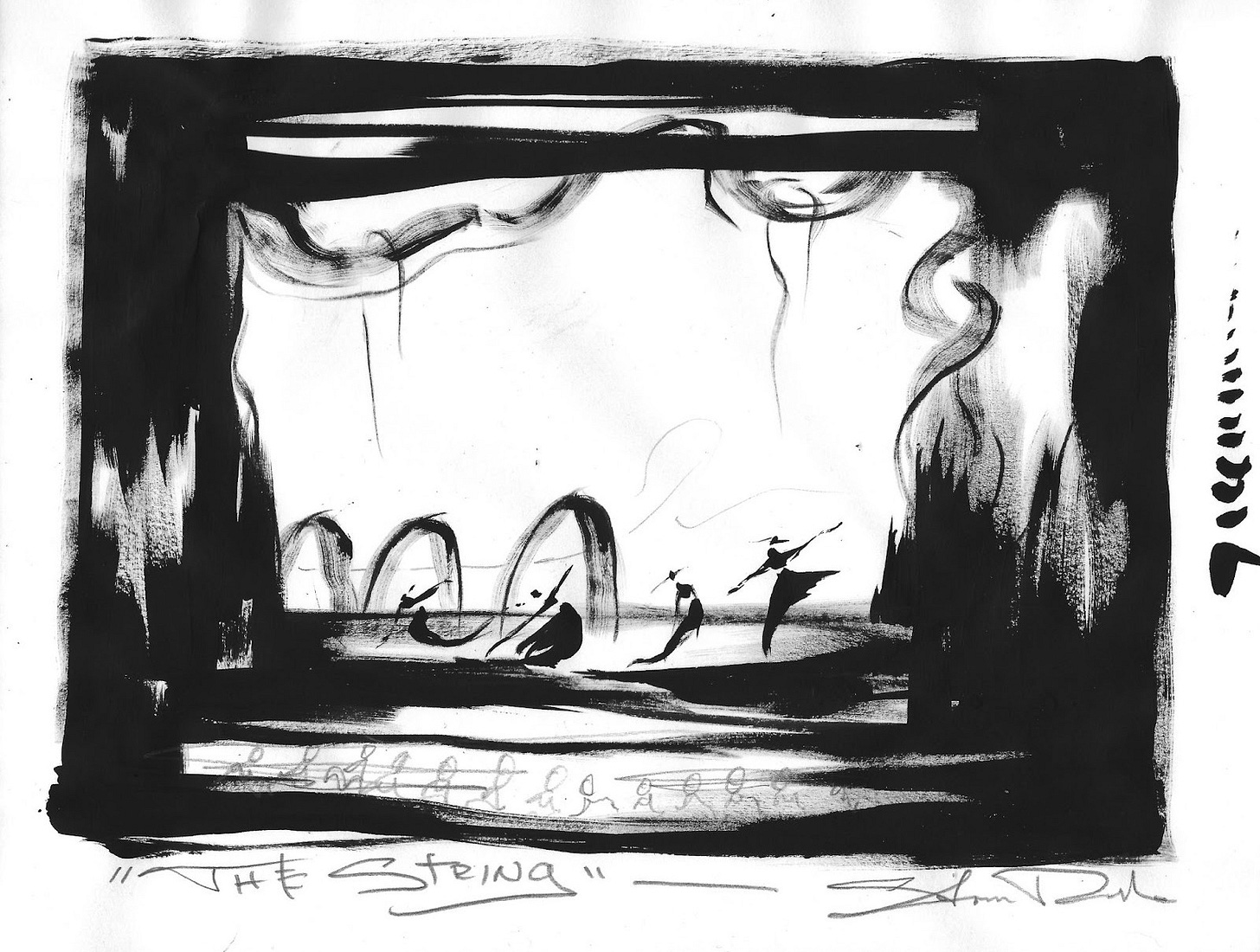
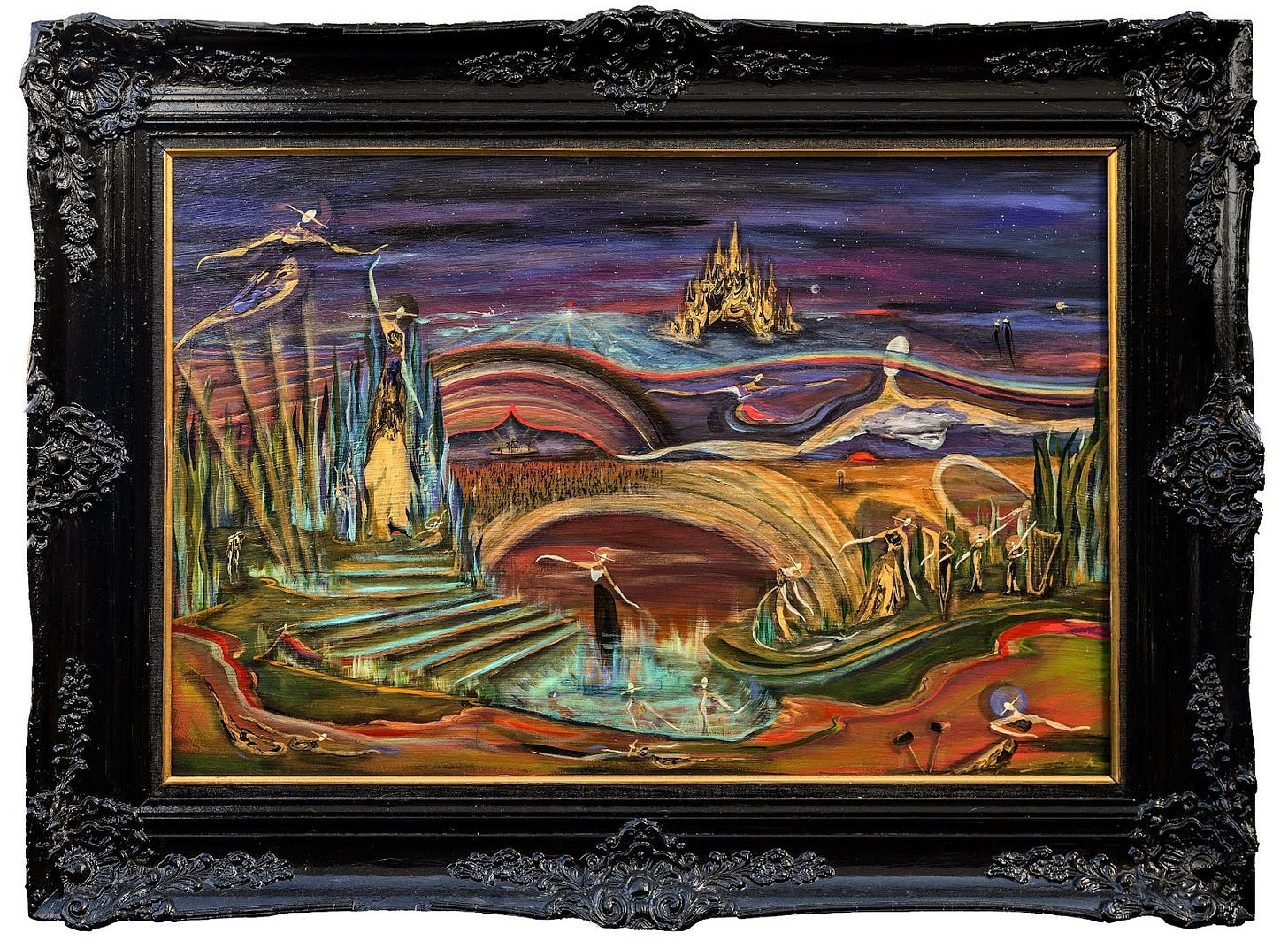
The Cool People are dominantly found in monochromatic paintings and in technicolor, detailed compositions, either depicted as classic variations or transformative concepts, like esoteric symbols or personified natural elements. They also are featured in mural wallpaper, textiles, painted garment details, jewelry, logo merch, and tattoo designs, but I’ve barely scratched the surface with their impact.
With their elongated and curved bodies, viewers sometimes assume they’re women, but The Cool People are spirits of all gender identities. Like the collective term man includes women, my figurative motifs are also a collective, just a reflection of their female creator. The Cool People are indeed versatile, and without a doubt, serve as a reminder that we are never alone.
ELIZABETH: Will The Cool People be in your next collection?
STORM: On the sly, yes, The Cool People will be centre stage again. As for their color palette, character arc and theme, well, those scripts are top secret.
ELIZABETH: Do you have a specific source of inspiration? Where do you find it?
STORM: I have a centrifugal-like process when I ambidextrously paint, similar to channelling, so I’m shrewdly methodical about my sources of inspiration. Sparks do fly from three stimuli categories: spiritual, intellectual and emotional. Once those are pre-orchestrated, my synesthesia experience is directed and controlled for me to produce authentic work.
Oh, synchronicities, those interconnected observations are completely out of my control and a prime example of a spiritual stimulus. If I follow linked associations in my days, those synchronicities spotlight unexpected themes. Irony and dreams of astroprojective nature also tip off my intuition. If I tether together these details together I see an obscure or crystal-clear meaning to move further with.
Intellectual stimuli is then found through isolating connected themes in books, films, and music. I’m an in-depth researcher and logophile, so even old-world literature encourages me to write, and archive. As for the auditory, I seek out stimulating songs that escort my mind’s eye to visualize something untapped.
Emotional stimuli is my human response and actions to what’s been learned and prepared. When I start playing, projecting or physically displaying my curated content, I’m immersed in an intentionally designed studio to organically feel my synesthesia experience, react, and visually produce. I’m on the right path when frisson—body chills and goosebumps—comes to fruition, leading to adrenaline rushes, happy tears, or melancholic aches. Frisson is a natural drug for me, and I’m addicted.
These elements of my process become core memories, to recycle in the future. My mind’s eye houses an inventory room, lined with abundant filing cabinets. The acquired visuals or phrases from synchronicities, factual discoveries, and synesthesia-induced sensations are classified files, archived and categorized in my cabinet drawers. It’s no dewy decimal system, but my employees up there know how I think.
ELIZABETH: I would be really intrigued to know—and maybe you don't fully have it fleshed out yet—but what does it look like to create for yourself and for business? Do you know what that will look like or what it might feel like?
STORM: I’ve worn many hats for years, but I never compromise my artistry for consumers or sales. I’ve done that, and it doesn’t work, but I do spend equal time on business as art, to make a living.
I’m the agent for every element of Storm Ritter, so I step outside of myself and switch personas to market my enterprise. The artist makes decisions for art. The entrepreneur makes decisions for business. Together, they fight. So I have to switch hats to become the creative director, conceptualizing a vision from what’s been created and planned. Then comes the editor hat, for cut-throat choices, despite the other’s input. Critique is indispensable, but it’s just me, so I’ve built a thick skin when I take on roles.
I still have chutzpah to keep knocking on doors, making this a ceaseless cycle. The artist and the entrepreneur have opened countless profitable doors, and as the creative director, it’s taxing to equally manage so many. And as the editor, I have to be cold-blooded to close perfectly good doors, but never lock them. I really need more real people to work the doors.
ELIZABETH: Does the pressure of business affect your creative process? If so, how do you handle that?
STORM: As a person, yes. Repetition and persistence is my coping mantra for my career responsibilities. People often advise me to take a vacation, but they’re assuming from my success that I’m holding a royal flush in my hands. I’m an experienced bluffer in not sharing my sacrifices and what’s at stake financially, for myself and loved ones.
I rely on emotional intelligence to handle my pressures, and that attribute has evolved with each conquered hardship, making me a kind person who leads business with grace and supports others. My creative process repeatedly fills my cup, so I drink from that to persist on. But my emotional intelligence fills another, and I rarely replenish or intentionally drink from that cup, as a person.
My collective actions direct my thread of continuity, pulling me through challenges. Crediting Jung, pastimes that brought happiness as a child should return to us as adults, so by working backwards I reset my mind. If I consistently allot time to relax with my studio cat and feed the fire escape birds, that nourishes my emotional intelligence. Threading thoughtful self-care into my routine extends my ability to handle life’s pressures and share my human magic. Time is never wasted when working on my health.
SOPHIE: Could you expand more on what you mean by working backwards?
STORM: It’s my preferred theory and take-action method. One foot in the past, one in the present—that’s the heart of working backwards. If I want to achieve a goal, spiritually or worldly, I find resolutions by reflecting in the past or by doing the reverse of the expected.
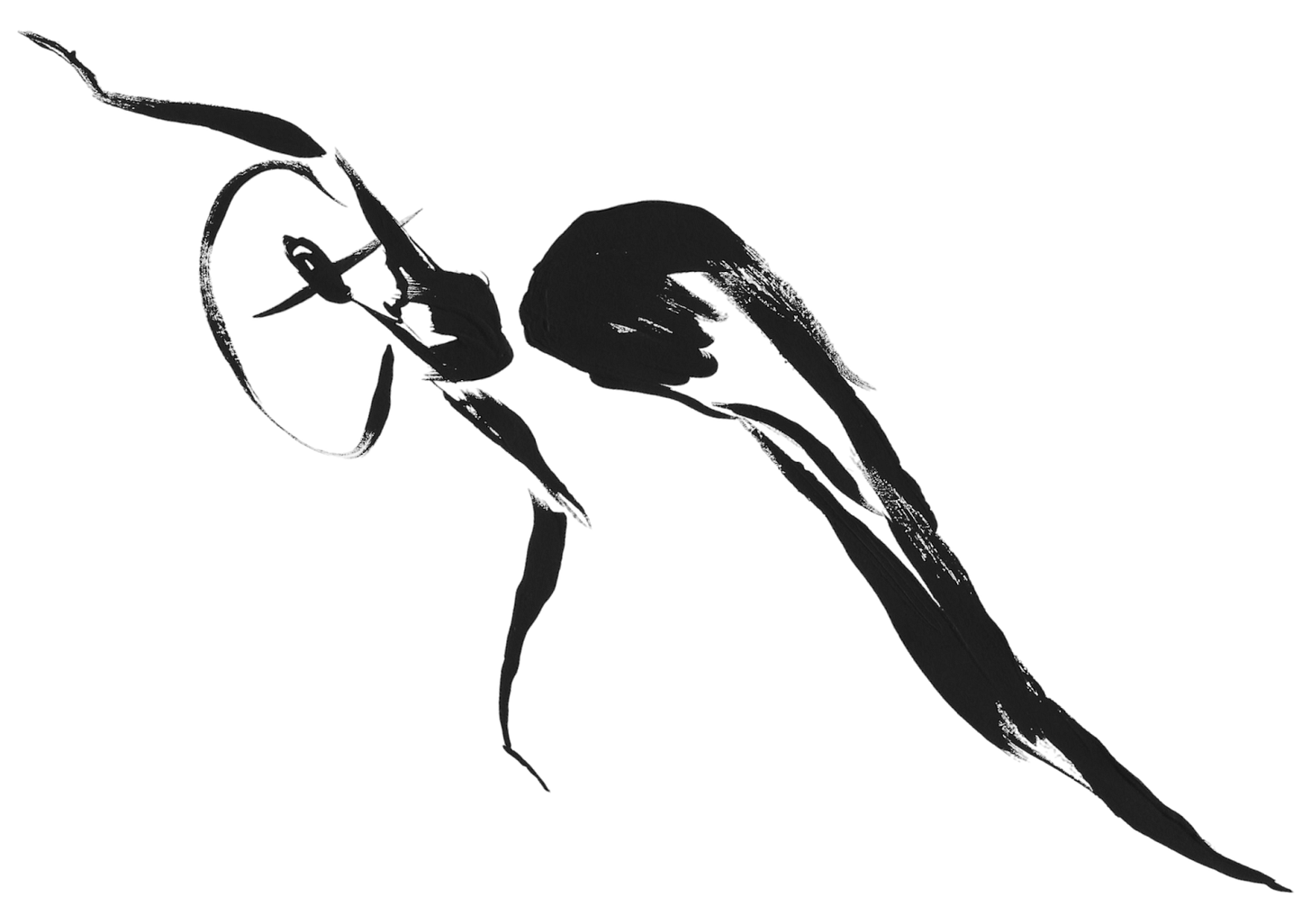
As a personal ethos, working backwards is a mindset to reclaim identity. If I hit roadblocks, I return to my memories for guidance in my present. Searching for solutions can be hard. Even if answers are served up on a platter, it’s easy to leave them unserved. Answers are often still in my past, just waiting to be claimed.
This philosophy sparked when I read Consolation of Philosophy by Boethius, specifically in an anecdote about the goddess, Fortune, and her metaphorical wheel—which notably spins both clockwise and counterclockwise. Fortune cycles humans on her wheel of luck and deviously watches their emotional flux of jubilant highs, placid progression, and frustrating, sad crashes. Life’s continuum of wins, mundanities, and hardships is unpredictable and illogical far more than chronologically planned. I envied Fortune’s dexterity to revert back and move forward, controlling the shifts of human perspectives. Obviously I’m not an ancient goddess and don’t wield that kind of power, but I longed to have a hand in mastering my own destiny, too.
In application of working backwards, I use physical heirlooms, like sketchbooks from fifteen years ago or last month. When I return to past pages, I reclaim under-appreciated ideas or find inspiration in relational or contributive concepts that I left behind. This redirects my present perspective in a creative focus. Even revisiting a book or movie that you once loved can help you rediscover who you are right now. The mindset is a reminder that personal history is cohesive. History is known to repeat itself, so why not ours?
Working backwards is also my active approach to ambition. If I hyper-focus on a big picture goal, I ignore everything else. Or, if I follow protocol steps, my dream lacks authenticity and gratifying longevity. Satisfying futures are often unplanned, just worked for in a roundabout way. Accepting I can’t fight destiny, I reflect on accomplishments, isolate strengths, and pursue non-relational and semi-relational tasks. These tasks become individual successes, elevating my endgame goal with depth, perspective. and quality.
I’m a gallery-showing fine artist today because I worked backwards. Twelve years ago, I wanted to be exactly that. Instead of trying to sell paintings, I pursued retail and fashion—as I had experience in both—and used my paintings as designs for apparel, merchandise and murals in a branded storefront. I marketed products, but I really advertised my paintings, in a semi-relational way. This built credibility, client community, and an ability to include a gift shop at my events now.
You know the Peale quote, “shoot for the moon, even if you miss, you’ll land among the stars?” Well, I shoot for stars so I can hop-skip-and-jump to the moon. Working backwards can take time, but when you eventually get to the moon, you’re lucky enough to have conquered stars, too.
ELIZABETH: I would love to know what excites you about being an artist and about the future of creating.
STORM: We are living in fearful times, but fear and excitement are not mutually exclusive. I do use the Boethius’ phrase, “good fortune deceives and bad fortune enlightens,” to quixotically rationalize our current era. The trauma and crippling humanity in our daily news is, in turn, strengthening my compassion, gratitude, and enlightenment, and it motivates me philanthropically. You never know what it’s like to stand in another’s shoes. Acknowledging my privilege, I’m excited to continue my mentorship work with local youth. Even if it’s just one small act of kindness, that creates a ripple effect for the future.
But specifically for the future of the art industry, AI is a terror to our humanity. I rather use EI—emotional intelligence—than AI as my assistant. As an advocate for tactile art and organic reinvention, I’m searching for a horizon light, even if I have to carry it there myself. I love to say, get off your phone, get off with experience, so I’m looking forward heighten the outreach of my stance.
Happiness is a permanent resident in my soul, despite this dark hole of discourse. I can easily gab on for hours about what excites me, but I prefer to rationally enjoy life for what it is—day by day. I’m thrilled to conquer today and wake up again tomorrow. Recently I scribbled down a quote, and I’m paraphrasing, but, “when you become a new version of yourself, it feels like dying.” I think I’ve died hundreds of times, just in this life. What I see in the mirror is an artist, nowhere near her full potential. I’m enjoying watching my reflection age. I’ve heard more wisdom comes with that.
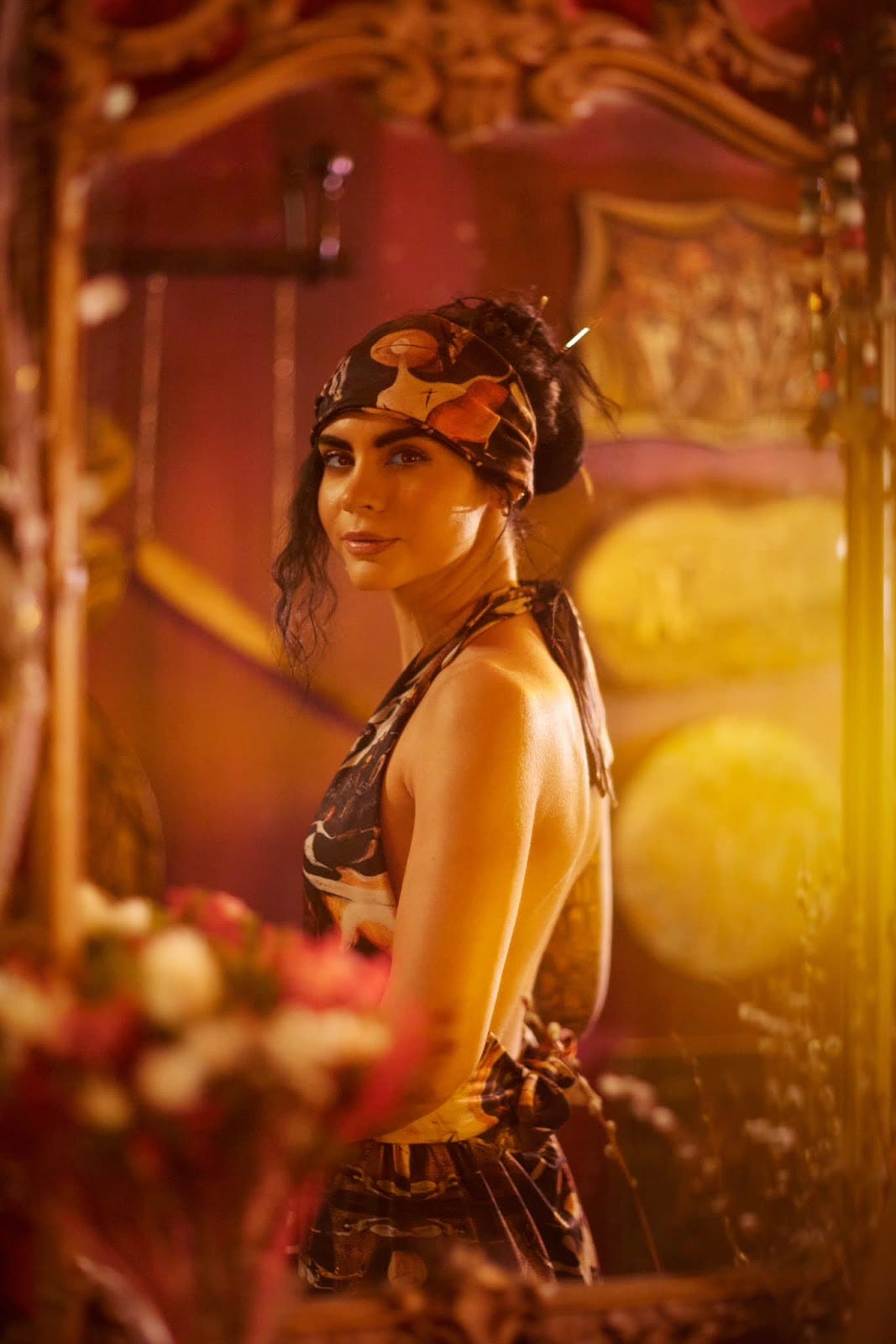
ELIZABETH: And that leads me to my last question. It's a very big, very broad question. I actually started this magazine with the hope of figuring out my own answer. My question is: in a time when it's increasingly difficult to create, how and why do you keep doing it?
STORM: How can I not be me? It does take courage, bravery, and resilience to maintain a platform. Creating can be an innate calling, a budding ambition, or even a nuisance. It’s your choice to cultivate or respond to any kind of creative pull. As long as you follow your natural instincts, it doesn’t matter if it’s your profession or a hobby. And, if anyone questions a creative person living their truth, they might as well question the flowers, plants and trees too.
In the professional art world, I do know that a novice artist with a dedicated work ethic or nepotistic advantage can triumph over an artist relying on natural talent. But when an artist matches their work ethic to their natural talent, that’s what keeps me striving. If I want to become a maestro of my craft and empower others along the way, I can’t give up on reaching my potential. Still, I know that worldly success is never as important as spiritual success. I painted a quote by Teilhard on my studio wall, “we are spiritual beings having a human experience.” That strips my ego and guides me to trust my intuition.
These shoulders carry weight, but that fuels my work ethic. I not only hustle for myself, but for the benefit of my family. If something needs done, I do it myself because I physically and mentally can. But when I am burnt out, I remind myself, “I’m living in heaven right now.” My heaven is a state of happiness in doing what I love, surrounded by the souls I love. Despite all my hurdles, the riches I’ve collected thus far are enough reason to keep on.
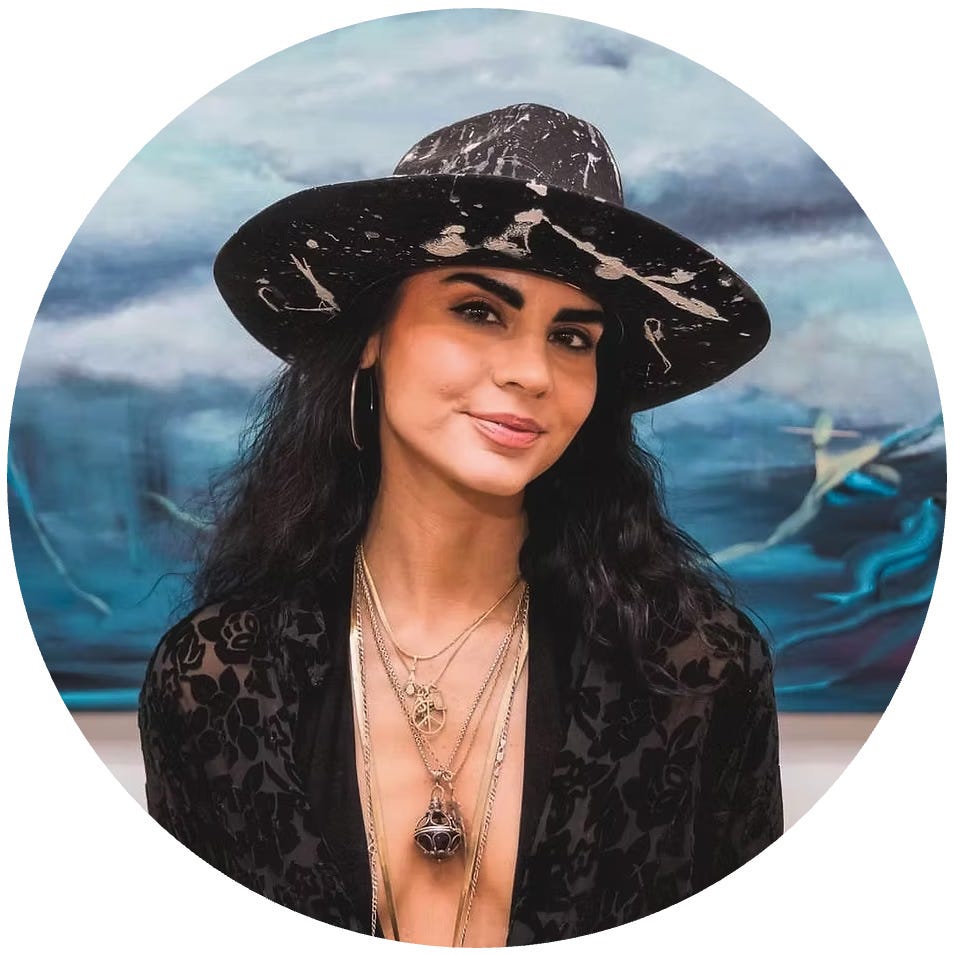
Storm Ritter is a New York City based fine artist, ambidextrous painter, multidisciplinary designer, retailer, writer and business owner of Storm Ritter, Inc. Known for her mystical subject matter, theatrical compositions and iconographic storytellers,"The Cool People,” Storm continues to cultivate her surrealist collections and signature aesthetic at a private studio location in the East Village.
For over a decade, she has worked as a full-time painter, enterprising sales through her online commerce, two private studio locations, and three brick-and-mortar storefronts in downtown Manhattan. Her collections include canvas paintings, murals, textile designs, original apparel lines, painted garments, branded merchandise, and production design. The artist also has professional experience in business management, event coordination, and philanthropic partnerships. Storm received her bachelor's degree from NYU, studying scenic/costume design, philosophy, art history and business.
Follow: @StormRitter
Shop & Inquire: www.stormritter.com